
Washington, DC BUILDING PERFORMANCE
DC Building Energy Performance Standards (BEPS) Compliance
Understand your DC BEPS requirements, verify your ENERGY STAR® benchmarking data and plan work before deadlines. Spectrum Energy supports Washington, DC building owners with benchmarking, third-party verification, energy audits, improvement planning and funding.
Does DC BEPS Apply to Your Building?
Your building may be subject to annual energy benchmarking, DC BEPS or both.
Annual Energy Benchmarking
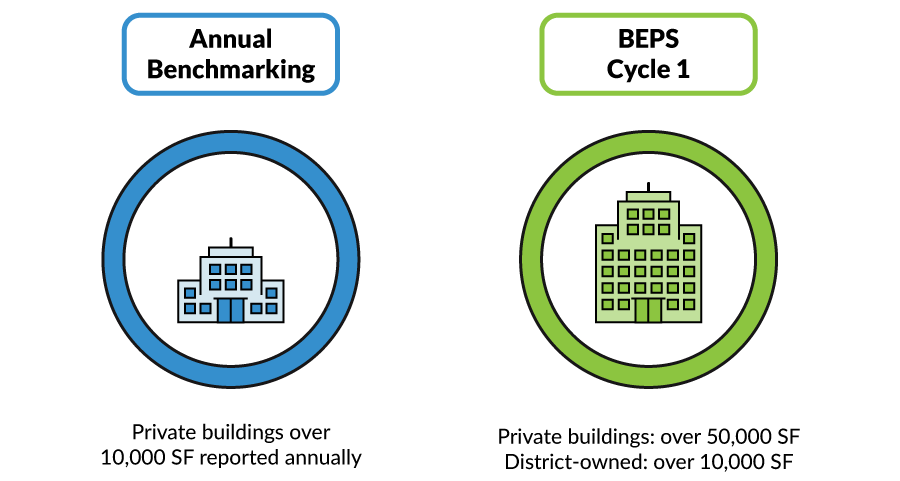
Tracks annual energy and water use in ENERGY STAR® Portfolio Manager. Submit to the DOEE, generally by May 1.
- Covers privately owned buildings with at least 10,000 square feet of gross floor area.
DC BEPS Compliance Cycle 1
Cycle 1 buildings that did not meet the applicable standard when the cycle began must complete their approved compliance pathway or follow another schedule authorized by DOEE.
- Privately owned buildings with at least 50,000 square feet of gross floor area
- District-owned buildings with at least 10,000 square feet of gross floor area
What Is DC BEPS?DC’s Building Energy Performance Standards (BEPS) set minimum energy-performance requirements for covered buildings. DOEE uses ENERGY STAR® Portfolio Manager data to measure building performance. Building’s that falls below the standard must complete an approved compliance pathway or follow a DOEE-authorized schedule. Annual energy benchmarking supports BEPS, but it is a separate requirement. |
Trusted Across the Mid-Atlantic
We support owners and building teams across Washington DC and the region with benchmarking, audits, modeling, and verified performance.
What are Key DC BEPS Cycle 1 Deadlines?
Now: Confirm Your Building’s Status
Confirm your building’s requirements, compliance pathway and ENERGY STAR® Portfolio Manager data.
December 31, 2026: Complete Cycle 1 Requirements
Complete the energy-performance requirements for your building’s approved pathway, unless DOEE has authorized a different schedule.
May 3, 2027: Submit Required Reports and Verified Benchmarking Data
Performance and Standard Target Pathway buildings must submit the Completed Actions Report and third-party-verified CY2026 Benchmark Results and Compliance Report.
The earlier you know where your building stands, the more options you have. Confirm your status now so you have time to address gaps, plan required work and avoid last-minute decisions as deadlines approach.
Looking Ahead
As of September 2026, legislation currently in effect schedules future BEPS periods to begin:
-
- January 1, 2028, for buildings with at least 25,000 square feet of gross floor area
- January 1, 2034, for buildings with at least 10,000 square feet of gross floor area
Note: Reporting requirements vary by compliance pathway. Buildings with an approved delay, exemption or alternative compliance pathway may follow a different schedule.
5 Steps Before the Cycle 1 Deadline

1. Confirm what applies to your building
Check whether your property is subject to annual benchmarking, BEPS Cycle 1 or both. Confirm its pathway, target and approved schedule.

2. Validate portfolio manager data
Review floor area, property-use, operating details, meters and utility data. Fix missing or inconsistent information before it affects performance calculations.

3. Measure the gap to your BEPS target
Compare current performance with the building’s target and identify what remains.

4. Complete and document required work
Finish required measures and keep records of completed work, costs, equipment changes and performance results.

5. Allow time for verification and reporting
Build in time for independent verification, corrections and required reports before the deadline.
When the benchmarking is right
and the rules are clear, you can make planned decisions about HVAC and capital projects before deadlines force the issue.”

Chet Knaup
President, Spectrum Energy
Meet DC BEPS Requirements. Plan for What Comes Next.
Compliance is only part of the picture. Spectrum helps building owners confirm requirements, prioritize improvements and plan next steps around budgets, timeliness, and funding. From benchmarking and verification to energy audits, project planning, we help turn compliance requirements into a clear path forward.
BEPS Pathway Review
Compare your compliance options and understand what each could mean for required actions, timing and building improvements.
Energy Benchmarking
Set up and review ENERGY STAR® Portfolio Manager data so building details, meters, and energy and water use are complete and consistent.
Third-Party Verification
Our qualified professionals independently review benchmarking data for accuracy and required documentation, subject to DOEE qualification and independence requirements.
Energy Audits
Our engineers find where building systems are wasting energy and identify practical ways to improve performance through energy audits and retro-commissioning.
Project Planning
We prioritize improvements based on energy impact, cost and timing with support through planning, coordination and documentation.
Funding Support
Identify available utility incentives, grants and energy project funding options to help reduce project costs.
Case Study
DC Multifamily Retrofit Plan Cuts Energy Costs 32%
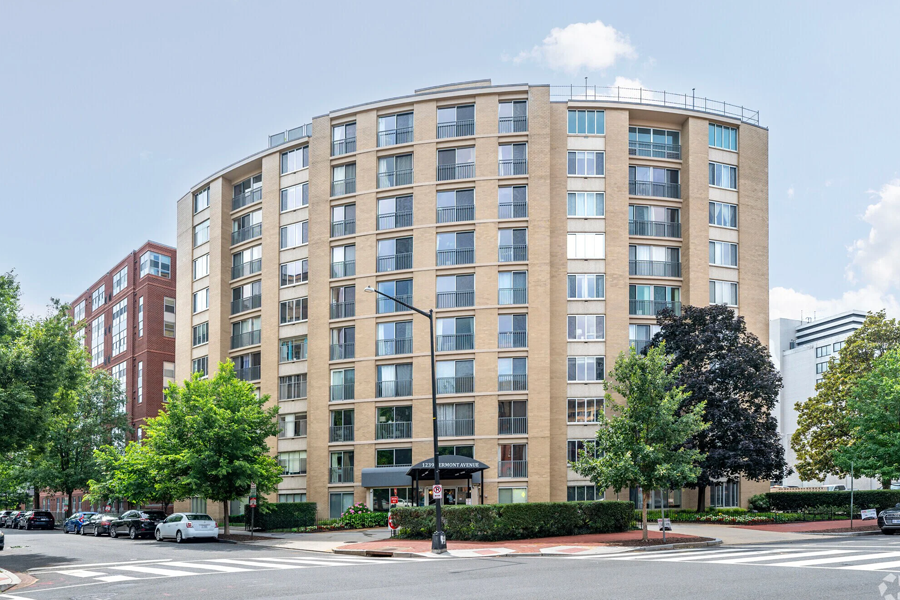
Spectrum completed an ASHRAE Level 2 energy audit for Crescent Tower, a 105,318-square-foot DC condominium building. The resulting retrofit plan projected a 32% reduction in annual energy costs and helped secure $158,189 in incentives while supporting long-term BEPS planning.
Know Where Your Building Stands and What to Do Next
Request a DC BEPS compliance review to confirm your building’s current status, identify remaining requirements and clarify the next steps before the Cycle 1 deadline.
"*" indicates required fields
DC BEPS Frequently Asked Questions
Does DC BEPS apply to my building?
DC BEPS Compliance Cycle 1 covers privately owned buildings with at least 50,000 square feet and District-owned buildings with at least 10,000 square feet. Buildings that fell below the applicable performance standard must complete an approved compliance pathway or follow another schedule authorized by DOEE.
Annual energy benchmarking is a separate requirement for privately owned buildings with at least 10,000 square feet.
Is energy benchmarking the same as BEPS compliance?
No. Benchmarking requires covered buildings to track and report annual energy and water use through ENERGY STAR® Portfolio Manager. BEPS sets minimum energy-performance standards.
A building may have an annual benchmarking obligation even when it is not currently completing a BEPS pathway.
What are the remaining DC BEPS Cycle 1 deadlines and required submissions?
Cycle 1 ends December 31, 2026.
For buildings following the Performance or Standard Target Pathway, the Completed Actions Report and third-party-verified CY2026 District Benchmark Results and Compliance Report are due May 3, 2027. Other pathways or approved schedules may have different requirements.
What is third-party benchmarking verification, and who can perform it?
It is an independent review of the building details, property-use information, energy and water data, and other information reported through ENERGY STAR® Portfolio Manager.
The verifier must meet DOEE’s qualification and independence requirements.
What happens if a building does not meet its DC BEPS requirements?
A building that does not fully meet the energy-performance requirements of its approved pathway may be assessed an alternative compliance payment.
The payment is based on actual performance, with a maximum of $10 per gross square foot and a $7.5 million cap per building or campus. Separate civil infraction fines may apply to late, incomplete or inaccurate reports and other regulatory violations.
What happens if we wait until later in the compliance cycle?
Waiting can limit your options. Starting earlier gives you more time to address data gaps, evaluate compliance pathways, plan needed improvements and align projects with budgets and available incentives.
Resources
Information on this page is based on current DOEE guidance and current D.C. law:
DOEE Building Energy Performance Standards
DOEE BEPS Compliance and Enforcement Guidebook
D.C. Building Energy Performance Standards legislation
This page provides a general overview and is not a substitute for current DOEE guidance. Building-specific requirements may vary based on property type, approved pathway, exemption, extension or delay.

Don’t Leave Savings on the Table
Our experts will help maximize energy efficiency and savings for your building portfolio. Let’s talk.