
$158,000 in Utility Incentives Helped Reduce HVAC Project Cost by 27%
- See how Spectrum helped a Baltimore storage facility secure $158,000 in utility incentives and reduce HVAC project cost by 27%.
Overview
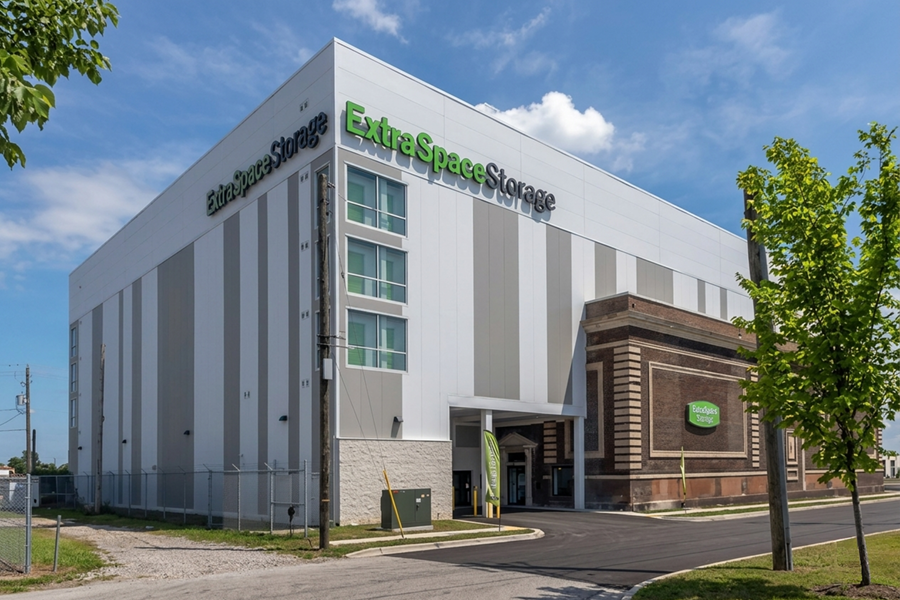
Permira Construction repurposed and renovated a historic building in Baltimore, Maryland, into a 110,000-square-foot conditioned storage facility with 2,000 square feet of sales space and six stories of storage. The project was designed to comply with the 2012 International Green Construction Code, which aims to reduce environmental impact and energy consumption.
To help lower the initial cost of the project, Spectrum collaborated with Permira Construction to identify eligible energy savings through Maryland’s EmPOWER Program, a utility-administered energy efficiency program that provides incentives for qualifying projects. The earlier incentive opportunities are identified, the more useful they become for budgeting, system selection, and project approval
Spectrum’s engineering team developed a comprehensive energy model, supported the incentive process, and helped the project secure $158,000 in utility company-provided incentives. The result was a lower net HVAC project cost, projected annual utility savings, and a documented payback period of 5.9 years.
Challenge
Reducing First Cost While Meeting Higher Efficiency Requirements
The project was not a simple equipment replacement. It involved repurposing and renovating a historic Baltimore building into a conditioned storage facility designed to comply with the 2012 International Green Construction Code.
For the project team, the challenge was twofold:
- The building needed efficient HVAC, lighting, envelope, and controls strategies that could support the new use of the facility.
- The owner and construction team also needed a clear path to reduce upfront cost through available utility incentives without slowing down the project or adding unnecessary administrative burden.
Without detailed energy modeling and incentive support, eligible funding could have been missed or delayed.
Solution
Spectrum worked with Permira Construction to turn the project’s efficient design into qualifying cost savings through the EmPOWER Program.
The project included a new construction 78-ton variable refrigerant flow (VRF) system. A VRF system uses variable-speed operation to provide heating and cooling based on building demand, which can reduce energy use compared with conventional constant-speed systems. The project also included LED lighting and other advanced sustainability design strategies, including envelope systems, building controls, and HVAC systems.
Spectrum’s scope focused on:
- Developing the energy model needed to quantify savings
- Comparing the proposed design against applicable code-minimum performance
- Supporting the incentive application and approval process
- Comparing post-project utility bill data against the simulated energy model
- Helping confirm that the project met expectations for incentive approval
The modeled comparison showed a code-minimum building consuming 941,760 kWh annually, while the proposed building consumed 376,800 kWh annually. That difference produced projected annual electric savings of 564,960 kWh.
Details:
Contractor:
Permira Construction
Building Type:
Storage Facility
Size:
110,000 sq. ft.
2,000 sq. ft. sales space
Six stories
Systems installed:
78-ton VRF system
LED lighting
Incentives Captured:
$158,000 in utility incentives
Annual Savings:
$73,500 projected annual utility savings
564,960 kWh projected annual electric savings
Results
Spectrum helped turn an efficient building design into measurable financial value. Through energy modeling, incentive documentation, and final utility analysis, this project qualified for significant utility funding and confirmed strong projected energy performance.
Incentives Captured
Spectrum secured $158,000 in utility company-provided incentives, reducing the HVAC project cost by approximately 27%.
- HVAC project cost: $590,000
- Incentives captured: $158,000
- Net project cost: $432,000
Projected Utility Savings
The proposed building was modeled to use 564,960 fewer kWh of electricity annually compared with a code-minimum baseline. Based on the project’s blended electric rate, that equaled $73,500 in projected annual utility savings.
- Code-minimum model:
941,760 kWh/year - Proposed building model:
376,800 kWh/year - Projected savings:
564,960 kWh/year
Net Payback
With incentives applied and projected utility savings accounted for, the project achieved an expected 5.9-year net payback.

The modeled design showed lower energy use intensity than both the average comparable building and the high-efficiency storage baseline.
Benchmarking showed the building performed well against comparable facilities. Spectrum’s comparative analysis found that the Haven Street building consumed only 20% of the U.S. median for typical storage facilities and 40% of the energy used by a comparable Permira-owned storage building
Conclusion
The project shows how energy modeling and incentive strategy can turn efficiency planning into measurable project savings
Spectrum Energy helped the project team document the expected energy savings, pursue utility funding, and complete the post-analysis needed for final approval. The result was a $158,000 awarded incentive, projected annual utility savings of $73,500, and a 5.9-year net payback period.
For owners, developers, and contractors, the takeaway is clear: efficient design can create real financial value when the right technical documentation and incentive process are in place.
More Success Stories to Explore
Find out how Spectrum Energy is leading the industry


Want similar results?
Spectrum Energy can help you lower costs, improve comfort, and meet local regulations—without draining your capital budget.